Layered Light, Seamless Harmony

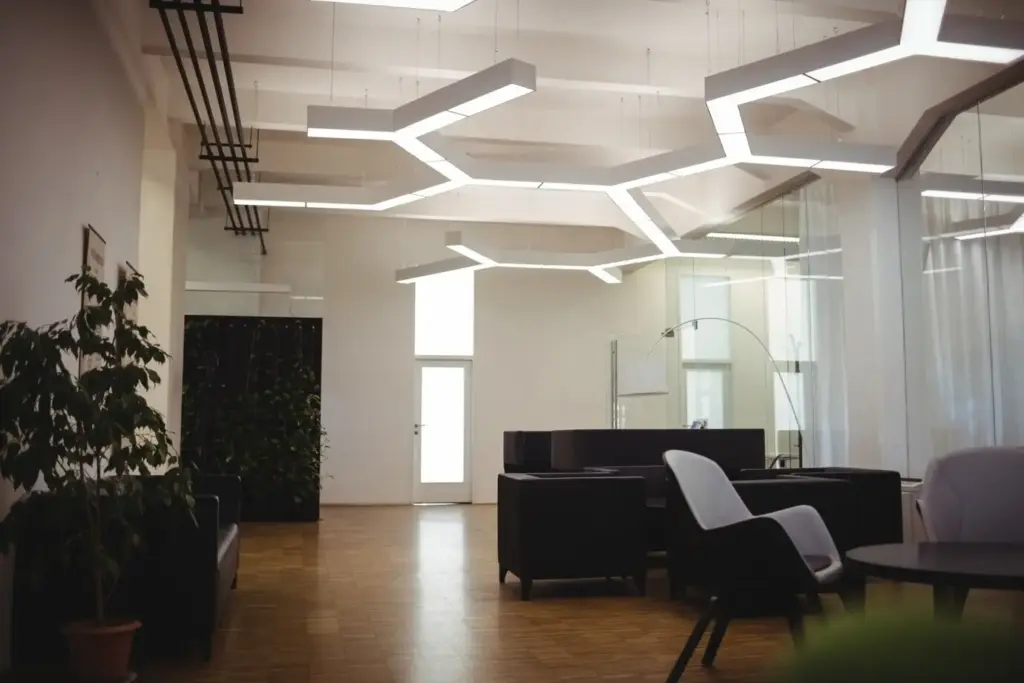
Layering ambient, task, and accent light is the quiet architecture of perception. We balance levels so surfaces glow, faces look natural, and circulation feels intuitive. Through deliberate placement and dimmable sources, rooms gain depth, hierarchy, and calm without a single conspicuous fixture demanding attention.

Color Temperature and CRI with Taste

Color is emotion you feel before noticing fixtures. Selecting correlated color temperatures that suit materials and time of day protects sophistication, while high color rendering maintains faithful woods, textiles, and skin. Gentle shifts between zones add rhythm without visual discontinuity or confusion.

Architectural Integration, Not Accessories

When light partners with architecture, rooms feel inevitable. We hide hardware inside coves, joinery, and reveals so illumination becomes part of lines, joints, and planes. The result is elegance born from restraint, avoiding clutter while strengthening spatial clarity and delight.

Controls, Scenes, and Effortless Rituals

Comfort grows when the environment responds gracefully. Thoughtful controls orchestrate layers with dimming curves that feel natural, pre-set scenes for daily moments, and interfaces that invite use. Technology stays discreet, delivering consistency, energy savings, and charm without stealing attention from conversation or craft.

Materials, Finishes, and Soft Reflections

Light thrives on what it touches. Understanding reflectance and texture helps quiet brilliance emerge. By pairing matte walls with satin metals and carefully placed gloss, we allow soft gradients, controlled sparkle, and flattering skin to coexist, enriching rooms without visual fatigue or blare.

Shadows, Contrast, and Visual Silence

Restraint reveals nuance. By shaping contrast, controlling glare, and welcoming shadow, interiors gain intimacy and legibility. The aim is visual silence that lets materials speak. Occupants relax because nothing screams; everything converses at the right volume, in the right places.
Let darker zones frame moments of emphasis. Not every corner must glow equally. Transitions from dim to bright should be smooth, like a well-edited film, so focus feels guided rather than forced. People notice comfort, not equipment counts or wattage tables.
Shielding angles, louvers, and baffles protect sightlines while preserving output on target surfaces. Specify precise cutoffs for dining tables and mirrors to avoid sparkle in eyes or photographs. Guests will remember conversation and laughter, not micro-aches from looking away constantly.
Consider the path of entry at night, the first switch, the first impression. A composed gradient from lobby to living calms the nervous system. Share your preferences with your designer; collaboration refines decisions and helps the house welcome everyone gracefully.
Kumivifonimeririfu
Privacy Overview

This website uses cookies so that we can provide you with the best user experience possible. Cookie information is stored in your browser and performs functions such as recognising you when you return to our website and helping our team to understand which sections of the website you find most interesting and useful.